
Introduction
As the next major chapter in World of Warcraft unfolds, *The War Within* promises a dramatic shift in Azeroth’s ongoing story. No longer is the threat something external like the Burning Legion or the Scourge. This time, the conflict is buried deep within the very heart of the planet—and the people who call it home. This expansion marks a thematic shift toward introspection, exploring both literal and metaphorical darkness. Players will descend into subterranean realms teeming with forgotten history, face ancient powers once believed sealed forever, and question the loyalties of both allies and enemies. The scale of *The War Within* isn’t defined by armies or cosmic invasions alone—it’s about trust, memory, and what lies hidden beneath. This article provides an overview of what players can expect: the setting, core conflicts, and how it reshapes the future of Azeroth.
The Underground Realms
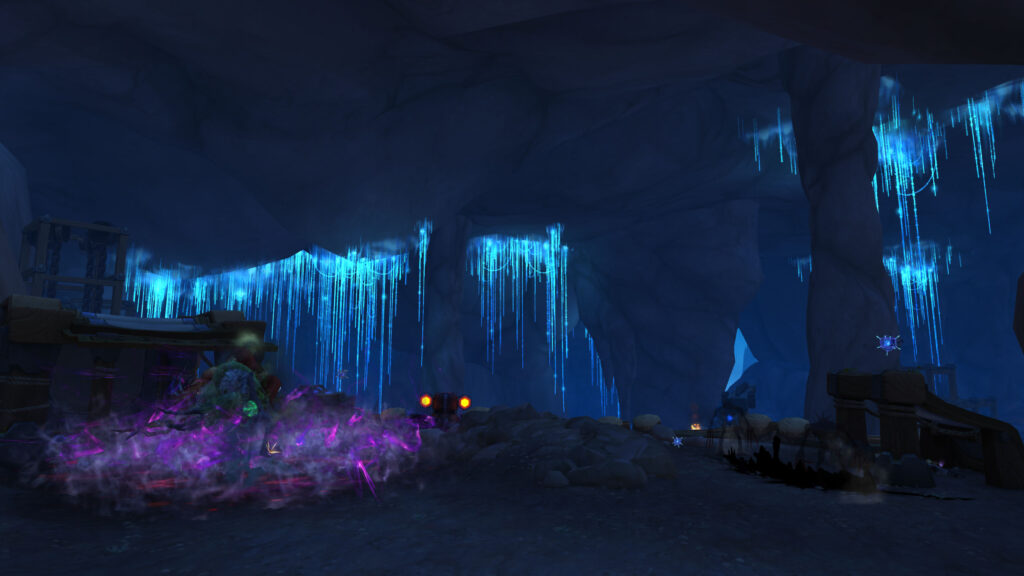
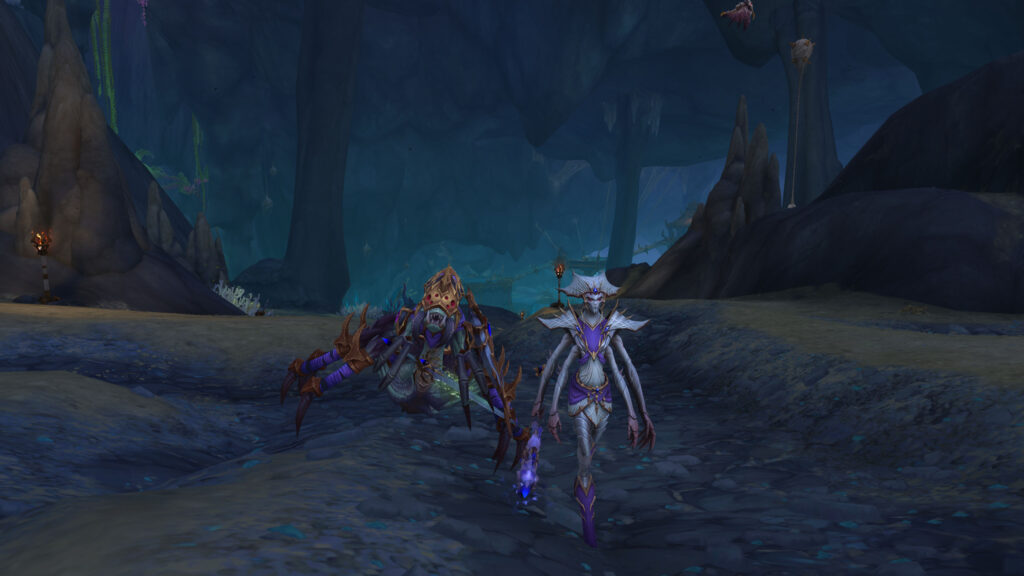
Much of *The War Within* takes place beneath Azeroth’s surface, in vast underground zones never before seen in the game’s history. These regions include the Ringing Deeps, Hallowfall, and Azj-Kahet—each designed with unique architecture, flora, and civilizations that defy surface expectations. Unlike previous expansions that introduced entirely new continents, *The War Within* draws from existing lore and digs deeper—literally. Verticality plays a massive role in exploration, with players navigating massive cave systems and vertical traversal paths through grappling hooks and jump pads. The atmosphere is dense, foreboding, and filled with remnants of ancient Titan projects and Nerubian empires. Blizzard has committed to making the underground as dynamic and varied as any above-ground zone, combining darkness with glowing bioluminescent ecosystems and breathtaking vistas.
- The Ringing Deeps – Dwarven forges and lost technology
- Hallowfall – A holy war underground
- Azj-Kahet – Rebirth of the Nerubian threat
- Darkflame Rift – Volcanic and unstable tunnels
The Central Conflict
At the heart of this expansion is a war not simply of factions, but of ideologies and control. Xal’atath, once a sentient weapon and now a major character, is manipulating ancient forces and turning Azeroth’s power inward. Instead of a full-blown Horde vs Alliance confrontation, players will deal with splintered loyalties, divided orders, and whispers from the void. This psychological warfare adds an edge to gameplay decisions, as quests force players to question their past choices. The main narrative focuses on unearthing a secret locked beneath Azeroth—something so powerful that even the Titans kept it buried. Each character’s arc—from Anduin’s struggle with self-doubt to Thrall’s rediscovery of ancient elements—feeds into the broader theme of confronting what we suppress. It’s a war of memory, magic, and identity.
Delves and Hero Talents
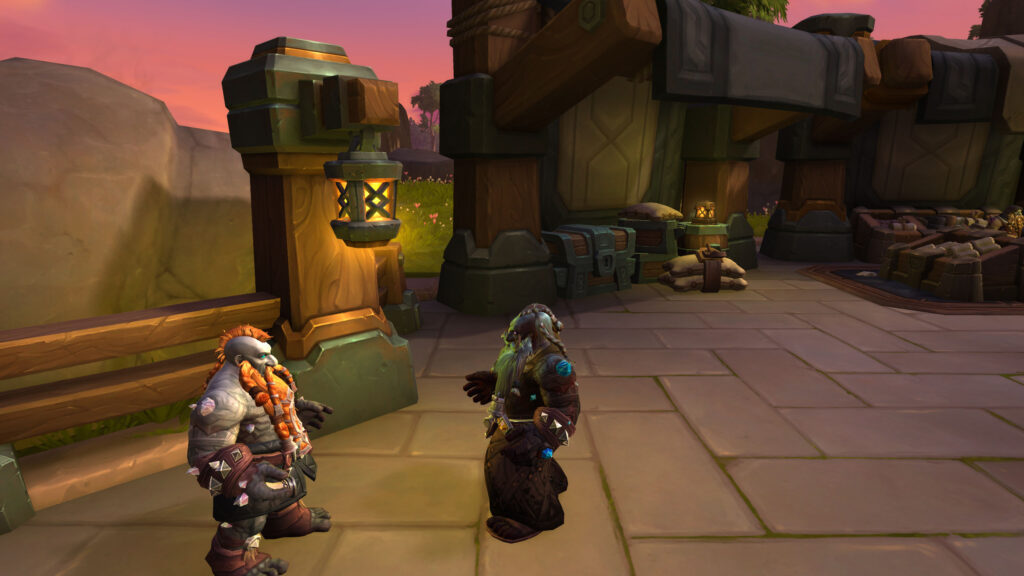
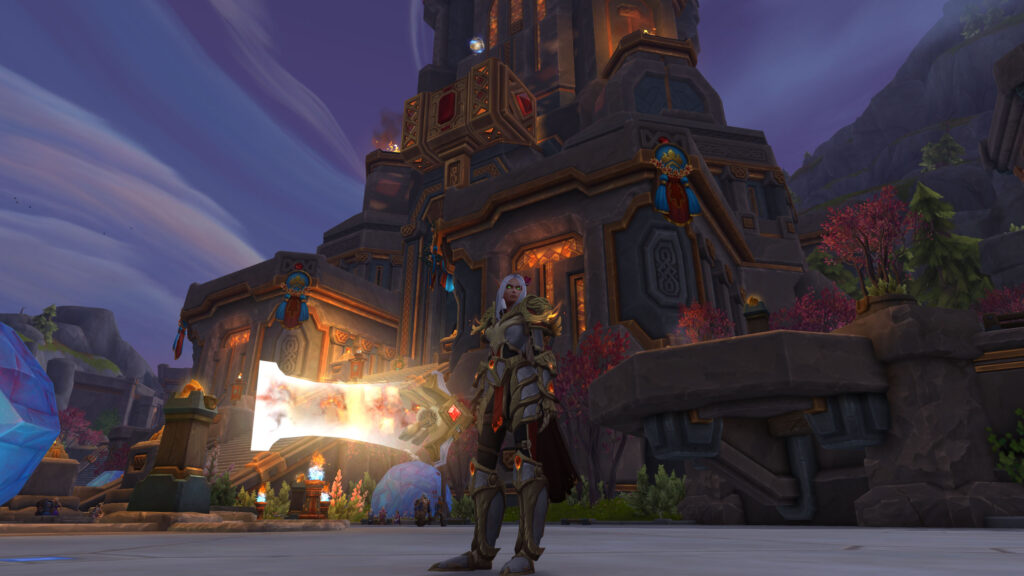
One of the most exciting features in *The War Within* is the introduction of Delves—repeatable, small-group content designed for solo players and duos. These procedurally influenced mini-dungeons offer unique rewards and scale with difficulty, making them ideal for players who want endgame experience without committing to full raids. Another major system is Hero Talents, an additional talent tree that expands on your class fantasy. These are not spec-specific but are chosen from archetypes based on your class—for example, Paladins can choose Templar or Herald of the Light. Hero Talents offer customization without overwhelming complexity. These systems reflect Blizzard’s ongoing effort to refine gameplay loops and increase accessibility without sacrificing depth.
| Feature | Description |
|---|---|
| Delves | Solo/duo mini-dungeons with scaling rewards |
| Hero Talents | Class archetype trees adding fantasy & power |
Factions and Reputations
The underground zones introduce new factions that further blur the line between good and evil. Players will interact with ancient Dwarven enclaves, rebellious Nerubian scholars, and holy orders desperate to contain a spreading corruption. Reputation in *The War Within* is no longer about simple bar filling—it’s about unlocking story arcs, meaningful rewards, and even changes in zone state. Factions now have narrative weight, and many have conflicting goals. Players will be forced to pick sides in certain quests, affecting future interactions. The expansion also emphasizes account-wide progression for reputations, making alt play more enjoyable. This builds on lessons from Dragonflight, ensuring that factions feel more integrated into daily play and less like chores.
The Emotional Stakes
What sets *The War Within* apart is its emotional tone. After years of grand external wars, this expansion narrows the lens. Anduin Wrynn is one of the central figures, returning with trauma from the Shadowlands and trying to rediscover his place in the world. Thrall and Alleria struggle with their own legacies. The expansion leans into introspection—what happens when heroes are broken? When secrets can’t stay buried? Cinematics and questlines dig deep into character psychology, and this extends to players through moral choices and branching narratives. While the mechanics support engaging gameplay, it’s the emotional texture of the story that lingers. It asks players to explore what lies beneath—not just in caves, but within themselves.
Conclusion
*The War Within* redefines what it means to be at war in Azeroth. This isn’t just a battle between nations or species—it’s a reckoning with history, power, and personal identity. Through its haunting underground zones, emotionally rich story arcs, and mechanical innovations like Delves and Hero Talents, it brings fresh energy to a game that’s constantly evolving. Longtime fans will appreciate the deep lore connections, while newcomers can dive into a self-contained yet meaningful story. As the shadows grow deeper and secrets come to light, players must prepare for a conflict unlike any they’ve faced before—one that begins within. The stage is set, and the descent begins.

Leave a Reply