
Introduction
In the early days of World of Warcraft, Battlegrounds like Warsong Gulch and Arathi Basin offered a more fluid, strategy‑driven PvP experience—where teamwork, line‑of‑sight tactics, and class counters defined success. Over nearly two decades, balance changes, new talents, and cross‑realm matchmaking have transformed the classic meta. This article traces that evolution: from the era of global cooldown quirks and ghost‑pole standoffs to today’s standardized 10‑player queues and objective‑centered play.
Pre‑Queue Era and the Rise of Line‑of‑Sight
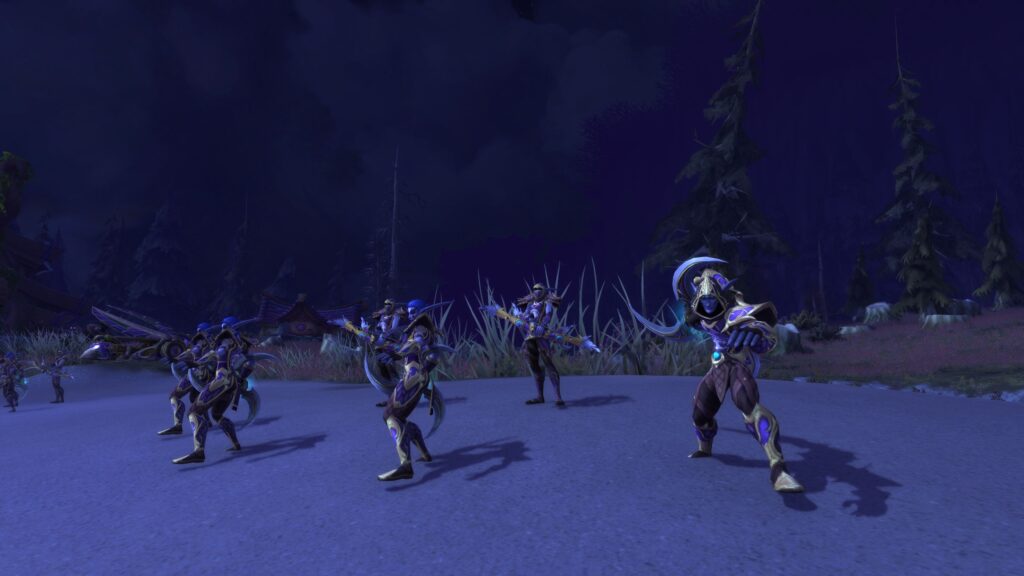
Before the Dungeon Finder and automatic battleground queues, players manually formed teams, leading to two extremes: rapid flag captures by organized guild squads, and drawn‑out stalemates where healers and casters exploited terrain to kite opponents indefinitely. Line‑of‑sight (LoS) became a core skill—pulling flag carriers into corners, using pillars to avoid CC, and kiting through spawn points to drain their momentum.
Map knowledge and communication in trade chat or voice were pivotal. A well‑timed sheep into a cliff drop could secure a point, while coordinated shoutcasters directed reinforcements to the front lines. Toggles like “Cast on self” and specific interrupt macros gave seasoned PvPers an edge in the melee trenches.
Talent Trees and Class Imbalances
The original talent trees allowed extreme specialization—like full‑death‑grip Blood Death Knights in later expansions—creating overpowering combos. In Classic, combinations like Frost Nova + Cone of Cold chain CC enabled 4‑to‑1 flag caps. Balance patches eventually standardized talents, capping PvP talent points and introducing resilience to mitigate one‑shot bursts.
Key turning points included:
- Patch 2.0 PvP Talents: Separate PvP trees and resilience stats in Burning Crusade reduced burst combos.
- Patch 3.0.8 Resilience Revamp: Hardened defenses against critical strikes, leveling the damage curve.
- Classic Era Rollbacks: Restoring pre‑Cata maps and talents in Classic servers reignited original LoS tactics but retained queue systems for fairness.
Modern Auto‑Queue and Objective Play
Automatic battleground queuing introduced balanced team compositions but also discouraged strategic premades. Today’s meta emphasizes objective control over kills—flag runs, tower captures, and resource turn‑ins. Healers now must juggle mass dispels and heavy healing throughput under constant multi‑target pressure, while DPS focus on target swaps to neutralize enemy healers quickly.
Communication tools like LFG voice channels or Discord communities coordinate flag‑push squads, while addons highlight cap timers and respawn waves—shifting play from opportunistic skirmishes to synchronized team maneuvers.
Conclusion & PvP Evolution Snapshot
The Classic PvP meta has journeyed from unstructured, player‑driven skirmishes to an era of standardized queues and objective‑focused play. While modern systems ensure balanced matches and accessibility, the core tactics of map control, LoS mastery, and coordinated cooldown chains continue to define victory in Battlegrounds.
PvP Meta Timeline
| Era | Features | Core Tactics | Balance Tool |
|---|---|---|---|
| Pre‑Queue (2004–2005) | Manual teams, LoS exploits | Pillar kiting, ghost‑pole | Gear disparity |
| BC PvP Trees (2007–2009) | PvP talents, resilience | Burst combos vs. CD chains | PvP gear resilience |
| WotLK–Cata (2009–2011) | Global cooldown changes | Skill combos & stuns | Resilience revamp |
| Classic Era (2019–Now) | Auto‑queue, map rollbacks | Objective pushes, team comps | Queue balancing |

Leave a Reply